
Issues available in archives

Issues available in archives

Issues available in archives

Issues available in archives

Issues available in archives

Issues available in archives

Issues available in archives
Google Scholar h-index 6
i10-index 4
Google Scholar Citations 152
Number of Volumes 8
Number of Issues 30
Number of Articles 203
Number of Contributors 625
Article View 57,394
PDF Download 53,214
View Per Article 282.73
PDF Download Per Article 262.14
Number of Submissions 111
Rejected Submissions 23
Rejection Rate 21
Accepted Submissions 78
Acceptance Rate 70
Time to Accept (Days) 86
Number of Indexing Databases 5
Number of Reviewers 3174
Journal Banner Header

Abbreviation: J. Agric. Sci. Eng.
DOI Prefix assigned for Sami Publishing Company (mEDRA): 10.48309

Journal of Agricultural Sciences and Engineering (JASE) was launched by Sami Publishing Company in 2019 in collaboration with Biosafety Society of Iran. This double peer-reviewed journal aims to provide a platform for researchers around the world to share their latest findings in all fields of Agricultural Sciences and Engineering. The journal is Open Access with article processing free of charge. All articles published in this journal are freely available for readers without a subscription, and authors retain the copyright of their work.

JASE is published Quarterly (online and in print: 4 Issues per year).

All submitted manuscripts are checked for similarity through a trustworthy software named iThenticate to ensure their originality and then rigorously peer-reviewed by international reviewers.

EndNote File of The JASE

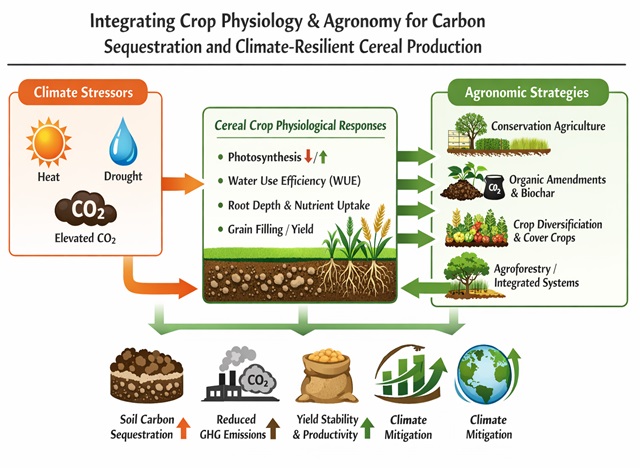
Carbon Balance in Soil, Air, and Cereal Crops: Crop Physiological Responses and Agronomic Strategies to Mitigate Climate Change and Sustain Productivity

Pages 62-72

https://doi.org/10.48309/jase.2025.551776.1093

Gebrekidan Henok Heluf

Abstract: This comprehensive review examines the critical interactions between climate change, carbon balance, and cereal crop productivity, with a strong emphasis on carbon sequestration and climate-smart agricultural practices. Climate change poses substantial risks to cereal-based food systems through increased frequency and intensity of drought, heat stress, and variability in rainfall patterns, leading to yield instability and declining soil health. To sustain cereal productivity and global food security, adopting climate-resilient crop varieties, improved nutrient and water management, and soil conservation practices are essential. The review highlights the role of soil carbon sequestration as a key climate mitigation strategy, emphasizing the contribution of conservation agriculture, organic amendments, diversified cropping systems, and biochar application in enhancing soil organic carbon stocks while reducing greenhouse gas emissions. Crop physiological responses to climate stress, including changes in photosynthesis, water-use efficiency, and nutrient uptake, are discussed in relation to their influence on carbon dynamics and yield formation. Despite the mitigation potential of these approaches, significant challenges remain in their large-scale adoption, particularly in smallholder farming systems. Integrated strategies that combine crop breeding, agronomic management, and supportive policy frameworks are therefore crucial for developing resilient, productive, and environmentally sustainable cereal production systems under a changing climate.
A Review of the Quality Evaluation of High-Fat Prebiotic Sauce Containing Fiber Derived from Lettuce and Tomato Waste

Pages 73-77

https://doi.org/10.48309/jase.2026.580452.1108

Reza Zadfar, Mohammad Javad Shakori

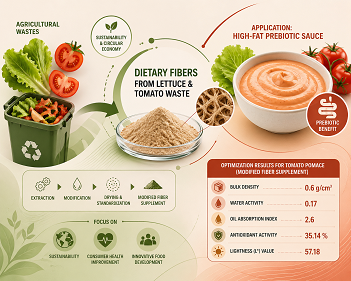
Abstract: The utilization of dietary fibers extracted from agricultural wastes such as lettuce and tomato represents an innovative approach in developing food products focused on sustainability and consumer health improvement. This review article provides a comprehensive evaluation of the role of fibers derived from lettuce and tomato wastes in formulating high-fat prebiotic sauces. According to optimization results for tomato pomace aimed at producing a modified fiber supplement suitable for high-fat prebiotic sauce, the following properties were obtained: bulk density of 0.6 g/cm³, water activity of 0.17, oil absorption index of 2.6, antioxidant activity of 35.14%, and lightness (L*) value of 57.18. These findings indicate that tomato and lettuce waste fibers not only improve the technological and functional characteristics of sauces, but also support gut microbiota due to their prebiotic potential. Moreover, valorizing these agricultural by-products aligns with circular economy principles, reducing environmental impact while enhancing the nutritional profile of high-fat products. This review highlights the promising application of vegetable waste fibers as functional ingredients in the development of healthier, more sustainable sauce formulations.

Determination of Nitrogen and NPSB Fertilizer Rate on Production of Sweet Potato (Ipomoea batatas (L.) Lam) Yield and Yield Components in Bako and Wayu Tuka Districts, Western Oromia, Ethiopia.

Pages 78-86

https://doi.org/10.48309/jase.2026.580178.1107

Mamo Mekonnen, Tilahun Wondimu, Eshetu Mogasa, Chala Gutema, Sisay Girima

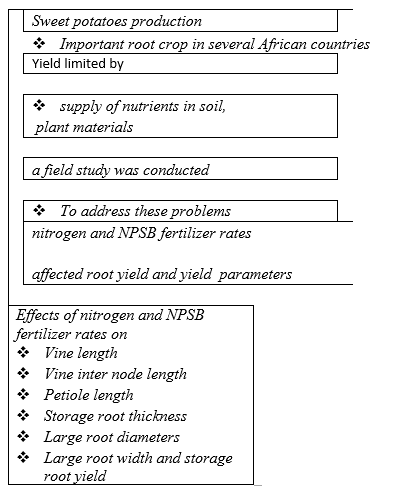
Abstract: Sweet potatoes are the most important root crop in several African countries, including Ethiopia. Nevertheless, its development is hampered by the nutrients in soil and plant materials. To address these problems, a field study was conducted in the districts of Bako and Wayu Tuka during the 2023/2024 growing season to assess how fertilizer rates affected root yield and yield parameters. Four nitrogen levels (23, 46, 69, and 92) and three levels of NPSB kgha⁻¹ (100, 150, and 200) fertilizer rates were used in the experiment. It was set up in three replications using a factorial arrangement, RCBD. The study examined the effects of nitrogen and NPSB fertilizer rates on vine length, vine internode length, petiole length, storage root thickness, large root diameters, large root width, and storage root yield (57884 kg ha⁻¹) and recorded them from 69 kg N and 200 and 100 kg NPSB ha⁻¹ at the Bako and Gute sub-sites, respectively. The application of 69 ha⁻¹ nitrogen and (200 and 100) kg ha⁻¹ The NPSB fertilizer rate resulted in the highest yield of sweet potatoes (61,142.86 & 9,905 kg ha⁻¹) from the Bako and Gute locations, with the highest net benefit of 1,209,136 & 188,284.20 ETB ha⁻¹ with an acceptable marginal rate of return. According to the study's findings, sweet potato productivity and profitability in the Midland agro-ecologies of western Ethiopia are greatly increased by supplementing the optimum amount of nitrogen and NPSB fertilizer rates.

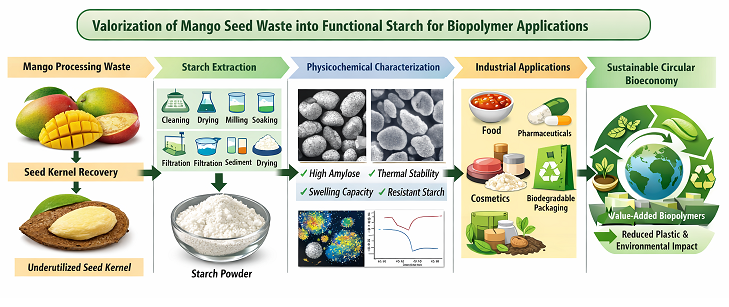
Biochemical Characterization and Sustainable Valorization of Mango (Mangifera indica L.) Seed Starch: Unlocking an Agro-Industrial Waste for Biopolymer Applications

Pages 87-96

https://doi.org/10.48309/jase.2026.580196.1106

Ibrahim Mohammed Ibrahim, Ahmad Umar Faruq, Tswanya Matthew Ndamayaki, Kontongs Ruth Umar, Usman Idris, Yakubu Ndatsu, Abubakar Salisu

Abstract: Starch is an essential biopolymer traditionally sourced from cassava, corn, and potato, with widely used applications in the food, pharmaceutical, and cosmetic industries due to its biodegradability, biocompatibility, and functional versatility. However, the growing demand for conventional starch sources raises sustainability and food security concerns. Mango (Mangifera indica L.) seeds, which constitute approximately 10–25% of the fruit’s total weight, are commonly discarded as agro-industrial waste byproduct despite being rich in starch. Mango seed starch has recently been used as an alternative source of starch due to its desirable physicochemical and functional properties. This review examines starch derived from mango seed kernel as an eco-friendly source for starch based biopolymers, detailing extraction methods, chemical composition, physical properties, structural modifications, and food packaging applications. The starch exhibits high gelatinization temperature and shear resistance, making it suitable for active packaging, edible films, and industrial coatings. However, issues exist regarding presence of anti-nutritional factors, toxic compounds, inadequate processing setups, and regulatory constraints. Future research should focus on improved extraction and modification techniques, alongside sustainability assessments, to enhance the commercial viability and sustainable utilization of mango seed starch.

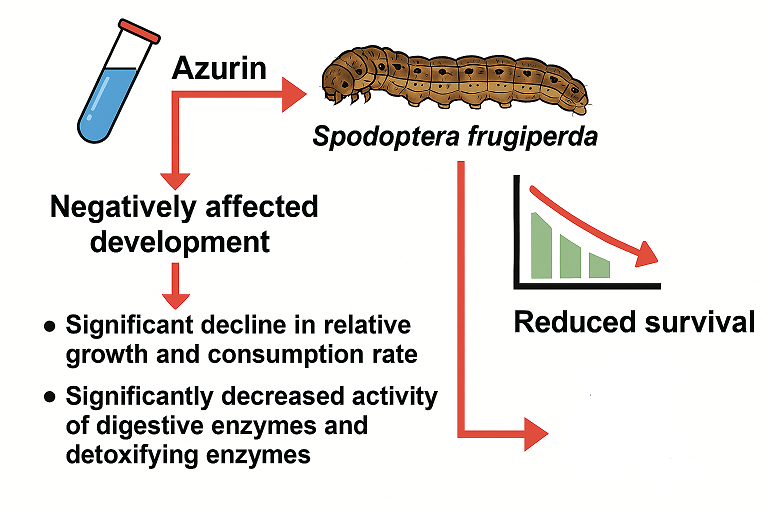
Azurin from Pseudomonas aeruginosa and its insecticidal activity against Spodoptera frugiperda (J.E. Smith)

Pages 97-109

https://doi.org/10.48309/jase.2026.578998.1103

Seham Mansour Ismail

Abstract: Fall armyworm, Spodoptera frugiperda (Lepidoptera: Noctuidae), is a major pest of maize, and its control requires the use of insecticides. The increasing prevalence of insecticide resistance in S. frugiperda highlights the urgent need for new, effective, and environmentally safe strategies. Azurin, a redox-active protein produced by Pseudomonas aeruginosa, was evaluated for its insecticidal potential against S. frugiperda larvae. Biochemical assays measured the effects on nutritional physiology and enzymatic activities in larvae. Larval bioassays revealed that azurin exhibited potent toxicity, with an LC₅₀ values of 94.40, 42, 13.30, 3.55 µg/mL after 24, 48, 72 and 96 h, respectively of exposure. The larval mortality rate increased in a time- and dose-dependent manner. Azurin also negatively affected the development of insect along with significant decline in relative growth and consumption rate as well as efficiency of conversion of ingested and digested food of insect. The azurin significantly decreased the reproductive potential of insect. A significantly decrease in the activity of various digestive enzymes and detoxifying enzymes was also observed that might be associated with reduced survival of this insect. These results suggest that azurin exhibits significant larvicidal activity and the ability to disrupt S. frugiperda metabolism functions, making it a promising candidate for controlling this pest.

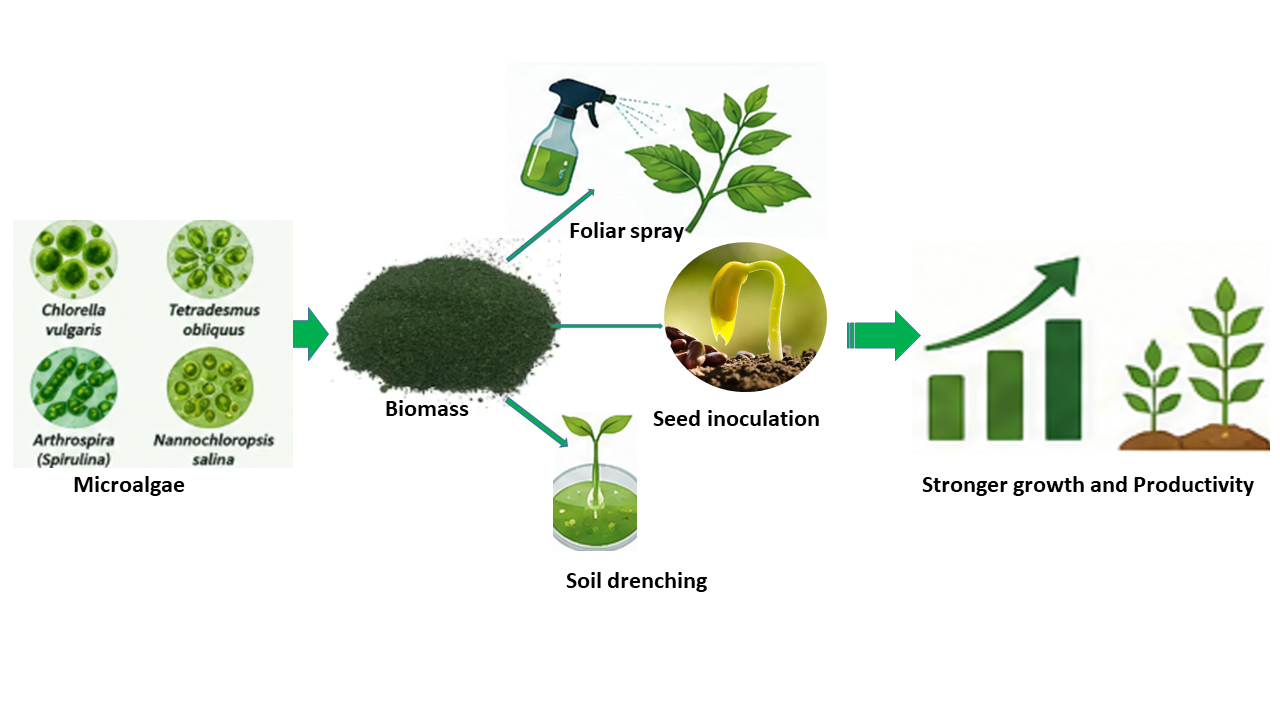
The Sustainable Biofertilizer Applications in Crop Plants: A Mini Review on Microalgae

Pages 110-118

https://doi.org/10.48309/jase.2026.580140.1105

Prakash Bajagain

Abstract: Microalgae are tiny microscopic prokaryotic and eukaryotic organisms that serve as a partial substitute for conventional synthetic fertilizers. The application of microalgae as biofertilizers and biostimulants has been shown to positively influence both the above- and below-ground growth of plants. Rich fertile land is an essential resource for farmers. Nevertheless, the poor farming practices can lead to soil degradation and loss of nutrients. The efficacy of microalgal biofertilizer and biostimulants is greatly influenced by a number of critical factors. The method of application and their combinations with organic amendments result in their distinct effects depending on the crop and the desired outcome. Concentration and dosage play vital roles; as a general rule, low to moderate concentrations are effective, while high concentrations may produce inconsistent and even harmful results on plant growth and physiology. This review article studies last five years of research from onwards and provides a brief review of the microalgae applications across crops, highlights mechanisms, identifies key knowledge gaps and future perspectives for research.

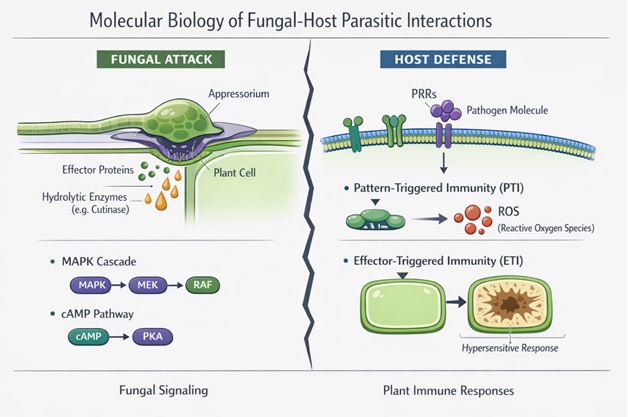
Molecular Biology of Fungi Host parasitic Interaction

Articles in Press, Accepted Manuscript, Available Online from 09 May 2026

https://doi.org/10.48309/jase.2026.571585.1098

Gebrekidan Henok Heluf

Abstract: Fungal host-parasite interactions involve a sophisticated molecular dialogue that determines global ecological health and agricultural stability. This review provides a comprehensive analysis of the molecular mechanisms governing these interactions, from initial surface recognition to systemic colonization. The author examines how genomic plasticity, horizontal gene transfer, and transposable elements drive the evolution of virulence. Central to this process is the secretion of effector proteins, including avirulence (Avr) factors, which manipulate host physiology and suppress basal immune responses. This paper details the dual-layered plant defense system, specifically the transition from Pattern-Triggered Immunity (PTI) to the robust, localized Effector-Triggered Immunity (ETI) mediated by intracellular resistance (R) proteins. Furthermore, the review investigates the role of intracellular signaling cascades, such as the MAPK and cAMP-PKA pathways, which regulate fungal dimorphism and appressorium development. Significant focus is placed on emerging research areas, including the influence of the host microbiome on disease outcomes and the epigenetic regulation of pathogenicity through DNA methylation. In light of escalating antifungal resistance, the author evaluates the molecular basis of drug evasion, specifically target site mutations and efflux pump upregulation. The synthesis of these molecular insights leads to a proposal for sustainable management strategies, emphasizing the integration of biocontrol agents like Trichoderma spp. and RNA-based therapies. Ultimately, this work bridges fundamental fungal biology and applied biotechnology, providing a roadmap for future research into mitigating fungal diseases within an increasingly unpredictable global climate.

Jute Cover

Climatic adaptation and sustainability of jute (Corchorus spp.)

Volume 6, Issue 2, Spring 2024, Pages 80-95

https://doi.org/10.48309/jase.2024.446682.1043

Mohammed Ataur Rahman, Md. Naziur Rahman

Abstract: Jute, referred to as "golden fiber," beautifully intertwines tradition and eco-friendliness, weaving a fabric that stands resilient and vital towards a greener and more sustainable future. Jute (Corchorus spp.) is notable as a remarkable and versatile plant with a multitude of applications, making it a key player in sustainable agriculture. Jute, with its exceptional carbon sequestration capabilities, plays a vital role in climate change adaptation, surpassing other crops in its significant environmental benefits. This article explores the eco-friendly attributes, unique climatic adaptation, various traditional approaches, and sustainable nature of jute, emphasizing its significant role in climate change mitigation and adaptation. Jute's positive influence extends beyond its well-known use as a fiber source, encompassing various aspects of soil fertility enhancement and biomass production, including vegetables. The multipurpose nature of jute makes it a standout contributor to sustainable practices. Its cultivation proves beneficial for climate adaptation and adaptability to diverse environmental conditions. The cultivation of jute emerges as an integral approach to address climate change challenges. Through comprehensive utilization, every part of the jute plant finds purpose, minimizing waste and maximizing resource efficiency. This work highlights the significance of acknowledging jute as a vital player in promoting environmentally friendly and sustainable practices, creating a balanced coexistence between agriculture and the evolving climate change.

Rice Cover

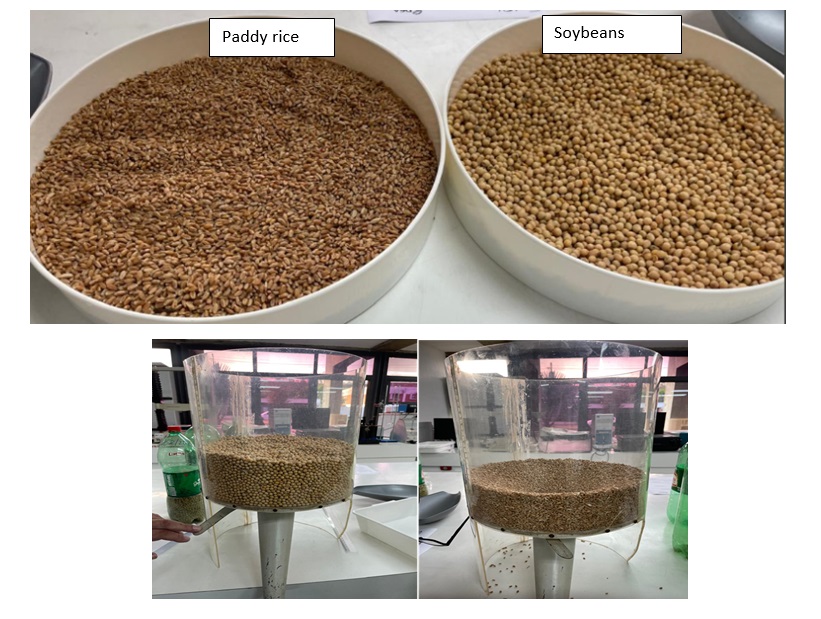
Comparative Analysis of Physical Properties of Paddy Rice and Soybeans

Volume 6, Issue 4, Autumn 2024, Pages 201-209

https://doi.org/10.48309/jase.2024.496096.1063

Kamaldeen Ayinla Yusuf

Abstract: Understanding the physical properties of agricultural products is essential for optimizing their handling, processing, and storage methods. This study compared the physical characteristics of paddy rice and soybeans, emphasizing their implications for post-harvest management. Key findings indicate that paddy rice grains have greater sphericity, lower circularity, and a higher surface-to-volume ratio than soybeans. In addition, paddy rice has a smaller volume compared to soybeans, which affects its handling dynamics. The static angle of repose for paddy rice was significantly higher, suggesting improved stability during storage. Furthermore, density measurements showed that paddy rice has a density of approximately 1547 kg/m³, while soybeans measured around 1479 kg/m³. Both products exhibited similar porosity values, with paddy rice at 40.50% and soybeans at 39.0%.

Weed Cover

A Review on Parthenium hysterophorus L. and its application in agriculture

Volume 6, Issue 1, Winter 2024, Pages 16-31

https://doi.org/10.48309/jase.2024.183986

Sarita Oli, Bhuwan Bohara, Rajeev Joshi

Abstract: Parthenium hysterophorus, one of the world’s most invasive weeds, is accountable for enormous losses to the biodiversity, agriculture, and even the health of human beings and animals. It is regarded as immensely prolific weed and most awful in crop production which devastated all the useful crops. However, various studies revealed that Parthenium can be used in agriculture in different form. In agriculture, it can be used as biopesticides, green manure, compost, soil amendment values, and vermi composting. Being a competitive weed, it consumes more and more nutrients from the soil and hence, the plant is rich in nutrients. During premature stage, i.e. before flowering, the plant is uprooted from field and burying it in the soil produces higher quality organic manure. Green manure and compost used improves the physical, chemical and biological properties of soil, increased the yield of agricultural crops. Numerous studies show that it has also insecticidal and pesticidal properties to control several insect pests in agricultural crops. This review briefly discusses the application of Parthenium in agriculture concluded by various researchers.

Climate Cover

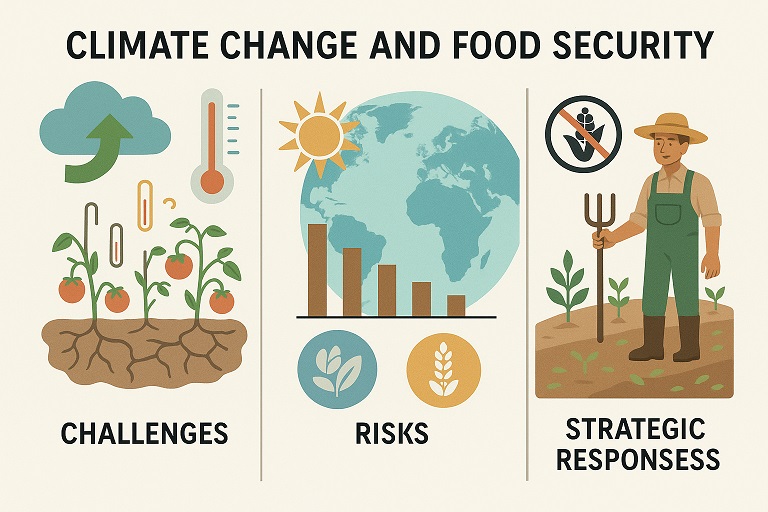
Climate Change and Food Security: Challenges, Risks, and Strategic Responses

Volume 7, Issue 3, Summer 2025, Pages 103-108

https://doi.org/10.48309/jase.2025.518326.1080

Matin Mohamadinezhad, Hajar Shekarchizadeh

Abstract: Climate change significantly threatens global food security by disrupting agricultural productivity and reducing the nutritional quality of food. This study highlights the adverse effects of rising temperatures, erratic precipitation, and extreme weather events—such as floods and droughts—on crop yields and soil health, particularly in densely populated and resource-limited regions. These disruptions contribute to reduced food availability, increased prices, and heightened socioeconomic disparities, thereby exacerbating poverty and malnutrition. Furthermore, climate change alters land suitability and depletes water resources, limiting food accessibility. Addressing these challenges requires integrated and sustainable strategies, including the adoption of climate-resilient agricultural technologies and improved resource management. International cooperation and policy reforms are essential to ensure food availability, promote public health, and support the achievement of global sustainable development goals.

Keywords Cloud